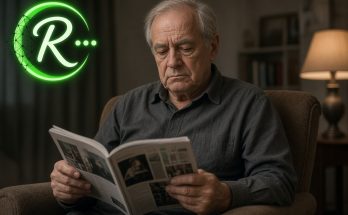
I should have known the moment she volunteered to handle the insurance company that something was wrong. My hearing has been bad since the shift fire at the tipple back in seventy-eight, and Nadine always made a big show of leaning in close and shouting right into my good ear so I wouldn’t feel left behind. I trusted her voice. That was my first mistake, and it cost me more than just the money in my pocket.
For four years, Nadine had been living with me in the small house down on Coal Creek Road.
After my knees started giving out and the arthritis set deep into my knuckles, she moved her things into the spare bedroom. It felt like a blessing back then. She made coffee the way I liked it with three spoonfuls of chicory, and she always kept a pot of pinto beans simmering on the back burner. When my hands hurt too much to hold a mug, she would wrap her warm fingers around mine and guide the cup to my lips without a single sigh or complaint. I thought I had raised a good girl who remembered who changed her diapers when the colic kept us both up until four in the morning.
The trouble started on a Tuesday when Dr. Henderson called my house phone and told me my ticker wasn’t pumping the way it ought to. He said I needed a special valve procedure within thirty days or I wouldn’t see the autumn leaves turn orange against the ridge.
Nadine happened to be standing right there by the kitchen table wiping down the formica with a damp yellow sponge. She took the black landline handset right out of my hand before I could even ask the doctor what the recovery time would look like. I watched her nod at the empty wall while Dr. Henderson talked on the other end, her mouth set in a tight, worried line that made my chest ache before the surgery even started.
“He says the insurance denied the whole thing, Dad,” she told me once she hung up the receiver, her voice shaking just enough to make me believe every word. “They’re calling it an elective procedure because my heart is old. You can’t fight a company that big from a hollow in West Virginia.”
I sat down at the table and stared at my worn leather boots because I didn’t want her to see the water gathering in my eyes.
Nadine came over right away and put her hand on the back of my neck, rubbing the spot right where the salt-and-pepper hair was thinning out. “Don’t you worry about it,” she whispered down into my collar. “We’ll just manage the best we can with the pills the doctor gave us.”
For the next two weeks, the house felt heavy and quiet, like the air right before a summer storm rolls over the mountain. Every time I climbed the four wooden steps up to the front porch, my chest felt tight and fluttering, like a trapped bird beating its wings against dry lath. Nadine was extra gentle during those days. She made me oatmeal every morning with a pat of butter right in the middle, and she even bought me a new pair of house slippers with the sheepskin lining so my feet wouldn’t get cold on the linoleum. I looked at her moving around the kitchen and told myself I was lucky to have her, even if the insurance company had slammed the door right in my face.
The truth didn’t come with a grand shouting match or a lawyer knocking on the front door with a briefcase. It happened because I had to go back down to the county clinic to get a refill on my water pills, and the regular clerk was out sick with a head cold. A young girl named Brenda who just started working the records desk had to dig through the metal filing cabinets in the back room. She pulled out my thick manila folder and started leafing through the crinkled yellow papers to check my secondary coverage.
“Well, Mr. Miller, it looks like your prior authorization went through without a hitch back on the twelfth,” Brenda said, her finger tracing a line down a crisp white sheet of paper that had a blue hospital logo stamped at the top. She tapped the page with a red plastic pen. “Says right here the valve replacement was approved in full for thirty-one thousand six hundred dollars.”
I stood there by the counter with my hand gripping the edge of the Formica so hard my knuckles turned the color of lard. My hearing aid let out a high-pitched squeal that made my head ring, but I didn’t care about the noise. “Read that part about the approval again,” I told her, my voice sounding flat and dry like corn husks in January. Brenda read the numbers out loud, word for word, including the authorization code and the date the check was supposed to have cleared. The money hadn’t been denied at all. It had been pulled straight down from the special medical trust fund my late brother set aside for me, and the routing number pointed directly to an account bearing Nadine’s name at the bank down in Williamson.
My jaw tightened so hard the old bicuspid on the left side started throbbing. I didn’t yell at Brenda, and I didn’t make a scene in the middle of the waiting room where old Mrs. Crabtree was sitting with her oxygen tank. I just thanked the girl, tucked the folded photocopy she printed for me into the inside pocket of my flannel shirt, and drove my old Ford pickup straight back up the creek road.
Nadine was standing by the stove when I walked through the kitchen door, stirring a pot of potato soup with a wooden spoon that was worn down on one side. She looked over her shoulder and gave me that soft, easy smile she had been using to keep me in the dark for four years. “You’re back early, Dad. Is the pharmacy line long today?”
I didn’t take off my coat. I just pulled the blue-stamped hospital paper out of my shirt pocket, laid it flat on the table right next to the soup pot, and put my thumb right over the thirty-one thousand dollar figure.
Nadine kept folding a dish towel in her hands, over and over, until the cotton was twisted into a tight white rope between her fingers. “Maybe the approval expired,” she said, and her voice didn’t even waver the way an honest person’s voice ought to. “You know how these big hospital networks are with their paperwork.”
I looked right at her face, at the small freckle by her left eye that she got from her mother, and realized I didn’t know her at all. “The clerk checked the system twice, Nadine,” I told her, and my voice was so quiet it barely carried across the room. “The money didn’t expire. It moved.”
She stopped twisting the towel then, and for three long seconds the only sound in the kitchen was the refrigerator motor humming against the back wall. She didn’t cry, and she didn’t try to pull the paper toward her to read the numbers. She just let the towel drop onto the counter and looked at me with those cold, flat eyes that didn’t have any water behind them.
“You weren’t going to use it all anyway,” she said, and she said it just as calm as if she were talking about the weather. “The doctor said your heart was already too weak for the operation to do much good. You told me yourself you were tired of fighting the stairs.”
I stood there in the middle of that kitchen and my brain felt like it had shorted out, exactly like the old fuse box in the cellar during a heavy winter freeze. I didn’t scream at her. I didn’t tell her to pack her bags and get off my property before the sun went down behind the ridge. I just reached out, picked up the white paper from the table, and folded it back into four neat squares before putting it back in my pocket.
Dr. Henderson called again the next morning while Nadine was out at the grocery store buying coffee and eggs. My hand shook just a little bit as I held the black plastic receiver up to my ear and listened to him talk about scheduling errors and delayed paperwork. He told me that because of the month-long delay Nadine had engineered by intercepting the calls and hiding the letters, my heart muscle had weakened past the point where the surgery would fix it. He said thirty days was the window, and we were sitting on day thirty-one with a bank account that had been cleaned out to the last red cent.
I hung up the phone without telling him a single thing about the thirty-one thousand dollars or the way Nadine’s kitchen towel looked when she dropped it on the formica. I walked out onto the front porch and sat down in the old wooden rocker that creaked every time the wind blew down from the gap. The sun was burning off the morning fog over the creek, and the air smelled like damp coal dust and wood smoke from somebody burning wet oak down the road. I don’t know what I’m going to do when she gets back with the groceries, or whether I should call the sheriff’s deputy down at the courthouse or just let the whole thing sit there like an unpainted fence. I just sit here on the porch with my hands in my pockets, listening to the birds in the locust trees, wondering how long a man’s heart can keep on beating when the person who’s supposed to care is the one who turned off the valve.